
Hyundai Vehicle Fire Risk Recall: 5 Key Facts for Owners
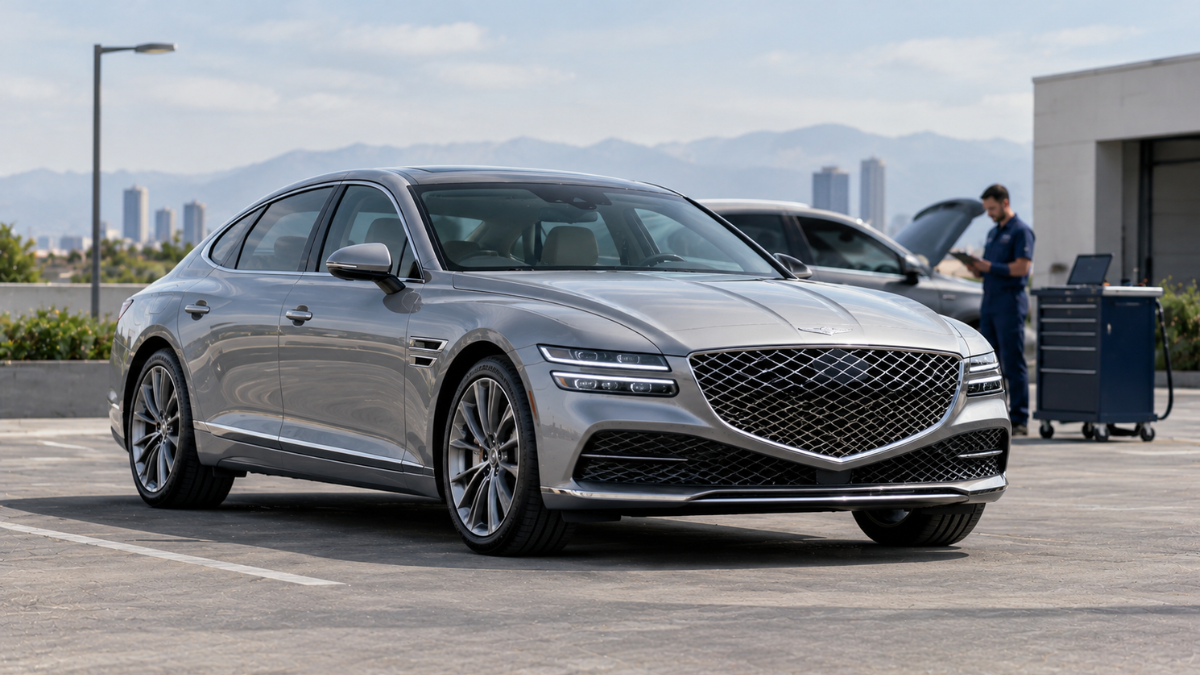
The Hyundai vehicle fire risk recall has brought renewed attention to vehicle safety after Hyundai Motor America announced a recall affecting 94,622 vehicles in the United States. The issue involves front power-seat motors that may overheat if a seat-control switch becomes stuck, potentially creating a fire risk while a vehicle is parked or being driven.
The recall covers certain 2015–2016 Hyundai Genesis sedans and 2017–2020 Genesis G80 sedans. Owners of potentially affected vehicles have been advised to park outdoors and away from buildings or other vehicles until the necessary repair is completed.
This guide explains which vehicles are affected, why the fire risk exists, how owners can check their recall status and what the announcement means for drivers in the United States and Pakistan.
Hyundai Vehicle Fire Risk Recall: Key Facts
- Vehicles recalled: 94,622 in the United States.
- Affected models: Certain 2015–2016 Hyundai Genesis and 2017–2020 Genesis G80 sedans.
- Reported defect: Front power-seat control switches may become damaged or misaligned and remain engaged.
- Potential consequence: The seat motor may continue operating and overheat, increasing the risk of fire.
- Safety advice: Park outdoors and away from buildings and other vehicles until the recall repair is completed.
- Repair status: The remedy was still under development in the initial recall reports.
- Owner notifications: Reports indicated that notification letters were expected to be mailed beginning December 7, 2026.
For the latest information, consult the official NHTSA recall database and the manufacturer’s instructions. Recall details and repair availability can change as the campaign progresses.
Which Hyundai and Genesis Models Are Affected?
The reported US recall covers specific vehicles from the following model years:
| Vehicle | Affected model years |
|---|---|
| Hyundai Genesis sedan | 2015–2016 |
| Genesis G80 sedan | 2017–2020 |
The total recall population is 94,622 vehicles. However, not every vehicle with one of these model names or years is necessarily affected. Owners should check the vehicle identification number (VIN) to confirm whether a particular car is included.
The Genesis G80 belongs to Hyundai Motor Group’s luxury vehicle brand, Genesis. This is why reports may refer to the campaign as a Hyundai recall, a Genesis recall or a Hyundai Genesis sedan recall.
Read the Reuters report on the Hyundai recall for additional context.
Why Is There a Fire Risk?
The reported issue involves the switches controlling the front power seats, including seat-slider and height-adjustment functions.
According to the recall information, an external force may damage or displace parts of a power-seat control switch. If the switch remains engaged, the seat motor could continue operating instead of stopping normally.
Prolonged motor operation can cause overheating, potentially increasing the risk of a vehicle fire. The hazard may exist when the vehicle is parked as well as when it is being driven.
The recall reports also describe two alleged fire incidents associated with the issue. That does not mean every recalled vehicle will experience a fire, but it reinforces the importance of following the manufacturer’s safety instructions.
This is a specific component-related safety concern. It does not mean every Hyundai vehicle has the same defect.
What Should Owners Do?
Owners of a potentially affected Hyundai Genesis or Genesis G80 should take the following steps.
1. Park Outdoors
Follow the recall’s safety advice to park the vehicle outdoors and away from buildings, structures and other vehicles until the required repair has been completed.
This precaution helps reduce the potential consequences if a fire occurs.
2. Check the Recall Status by VIN
Visit the NHTSA recall lookup and enter the vehicle’s 17-character VIN.
The VIN is commonly visible at the lower corner of the windshield or on a label inside the driver’s door area. It may also appear on vehicle documents.
A general search by model and year is useful, but a VIN lookup is a better way to determine whether a specific vehicle has an outstanding recall.
3. Contact Hyundai or Genesis
If your vehicle is identified as affected, contact the manufacturer or an authorised service provider for instructions. Ask whether the remedy is available and how the repair will be arranged.
Do not assume the recall has been completed just because the car has received routine servicing. Request confirmation that the specific recall campaign has been addressed.
4. Take Warning Signs Seriously
If you notice smoke, a burning smell or unusual heat around the seat area, stop using the vehicle when safe and move away from it. If there is a fire or immediate danger, contact emergency services.
These symptoms do not prove that the recalled defect is responsible, but they should not be ignored. Avoid attempting electrical repairs or bypassing seat-control wiring yourself.
Does the Hyundai Recall Affect Cars in Pakistan?
The reported campaign concerns vehicles in the United States. It does not automatically mean that every Hyundai vehicle sold in Pakistan is affected.
However, some cars in Pakistan may have been imported from another market. Owners of imported Hyundai Genesis or Genesis G80 sedans should therefore check the vehicle’s VIN and original market details rather than assuming that local registration excludes the car from a recall.
If you own a potentially affected vehicle:
- Record the VIN and the vehicle’s original market.
- Check the relevant official recall database.
- Contact Hyundai or Genesis customer support for confirmation.
- Ask a qualified service provider about the required repair and its availability.
Pakistan-specific recall coverage, repair arrangements and any applicable remedy should be confirmed directly with the manufacturer or its authorised representative.
Can a Vehicle Recall Affect Insurance or Financing?
A safety recall does not automatically mean that a vehicle’s insurance premium, insurance risk score or loan terms will change. These outcomes depend on the insurer, policy wording, lender and circumstances.
Owners should first address the safety issue and check whether their vehicle has an open recall. If the car is insured, they can ask their insurer whether the recall affects any policy requirements or claims-related obligations.
Understand Your Car Insurance Risk Score
Insurers use different methods to assess risk, and the factors considered vary by company and market. A recall does not necessarily change an individual driver’s insurance score or premium.
For background on vehicle and insurance risk factors, read PakGaari’s guide to car insurance risk scores.
Compare Car Insurance Quotes
If you’re reviewing your coverage, compare the policy terms, exclusions, deductibles and insured vehicle value—not just the headline price. Confirm whether each insurer has any specific requirements relating to a known safety recall.
You can read how to lower car insurance quotes for practical comparison tips. A recall alone does not guarantee that your premium will rise or fall.
Considering a Replacement Vehicle?
Some owners may consider replacing a vehicle rather than keeping it, depending on the circumstances. Before taking on new borrowing, compare the monthly payment, total interest, down payment and other costs.
PakGaari’s guide on how car loans work explains the basics of vehicle financing. Taking out a new loan is not a necessary response to a recall; owners should first confirm the defect, repair process and options available for their individual vehicle.
How to Check a Vehicle Recall by VIN
A vehicle identification number is a unique identifier assigned to a particular vehicle. It helps recall databases distinguish between cars that have similar model names but different production details or equipment.
For a US-market vehicle:
- Open the NHTSA recall lookup.
- Enter the 17-character VIN.
- Review any unrepaired safety recalls listed for the vehicle.
- Contact the manufacturer or authorised dealer for next steps.
If your vehicle was originally sold in another country, the US database may not provide a complete record of all recalls applicable in its original market. Check the relevant national database or contact the manufacturer.
Hyundai and Kia Car Fires: Are All Models Affected?
Searches for phrases such as “Hyundai and Kia car fires,” “Hyundai engine fire” and “Hyundai fire risk” can refer to different recalls, models and technical problems.
The campaign discussed in this article concerns front power-seat motors in specific Hyundai Genesis and Genesis G80 sedans. It should not be confused with other safety campaigns involving different components, including electrical systems or braking-related parts.
Hyundai and Kia share a corporate relationship, but a recall involving particular Hyundai or Genesis vehicles does not automatically apply to Kia models. Each safety campaign has its own affected vehicles, defect description and repair instructions.
Owners should verify the exact make, model, model year and VIN before drawing conclusions about a vehicle’s safety.
Frequently Asked Questions
Which Hyundai vehicles are included in the fire-risk recall?
The reported US campaign covers certain 2015–2016 Hyundai Genesis sedans and 2017–2020 Genesis G80 sedans. A VIN check is needed to confirm whether an individual vehicle is affected.
How many vehicles are being recalled?
The reported recall covers 94,622 vehicles in the United States.
What causes the potential fire risk?
A damaged or misaligned front power-seat control switch may remain engaged, allowing the seat motor to continue operating and potentially overheat.
Should affected owners park their cars outside?
Yes. The reported safety advice is to park affected vehicles outdoors and away from buildings or other vehicles until the required repair is completed.
Does this recall affect every Hyundai car in Pakistan?
No. The reported campaign concerns specific US-market vehicles. Owners of imported vehicles should check the VIN and confirm recall coverage with the manufacturer.
Can I keep driving if my car is affected?
Follow the manufacturer’s recall instructions, including the advice to park outdoors and away from buildings or other vehicles. Contact Hyundai or Genesis for guidance rather than assuming the vehicle is safe to use.
Does a recall automatically increase car insurance premiums?
Not necessarily. Insurance pricing and coverage depend on the insurer, policy terms and other factors. Contact your insurer if you need clarification about a specific vehicle or policy.
How can I check whether my car has an open recall?
For US-market vehicles, use the NHTSA recall lookup and enter the 17-character VIN. For vehicles originally sold in another market, check the relevant official database or contact the manufacturer.
Final Takeaway
The Hyundai vehicle fire risk recall is an important safety issue for owners of the affected Genesis and Genesis G80 sedans. The reported defect involves front power-seat motors that may overheat if their control switches become stuck.
Owners should verify their vehicle’s recall status, follow the manufacturer’s parking advice and confirm the repair process through an official source. Drivers in Pakistan with imported vehicles should check their individual vehicle’s history rather than assuming the US recall applies to every Hyundai on local roads.
A recall does not automatically determine a vehicle’s insurance premium or loan terms. Owners who are reviewing insurance or financing options should compare the relevant terms carefully and prioritise the manufacturer’s safety instructions.
Sources
Posts Widget
- 1
- 2

- 3

- 4

Pakistan’s Trusted Auto Parts & Automotive Tools
Copyright © 2026 PakGaari. All rights reserved.
